After Strong November Rally, Market Cools Off on Monday as Banking Leads the Decline
23 Nov 2026 · Aaj Ka Market Team · 3 min read
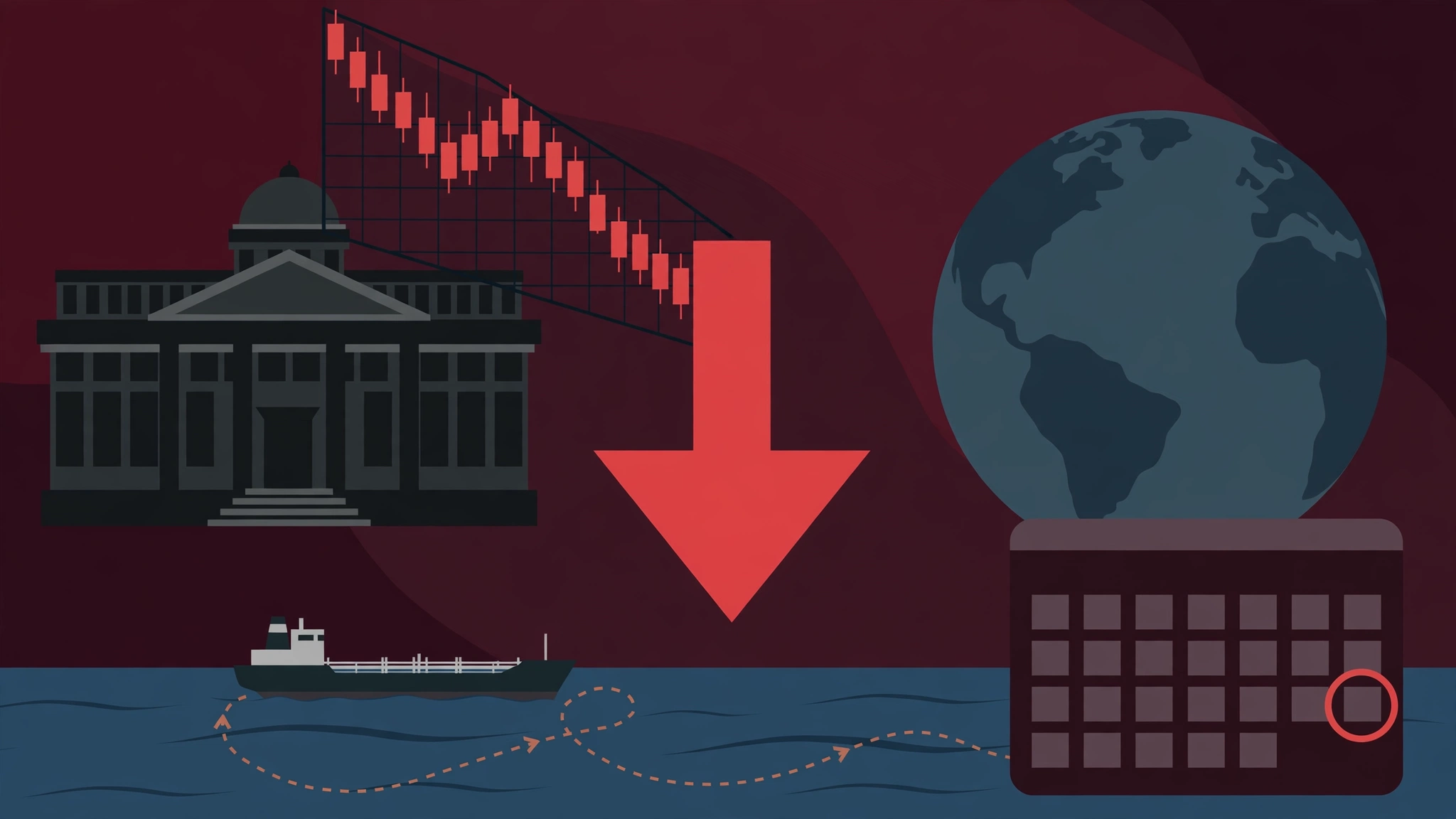
November had been one of the strongest months for the market this year. Sensex had gained nearly 12.2% and Nifty had gained nearly 11.4% in the month so far. Monday, however, turned out to be different. After a positive start, the market lost momentum and closed the session with a clear pullback.
What Changed on Monday
Sensex moved down nearly 1,700 points from its day high and slipped below the 83,000 mark during trade. Nifty also came down nearly 480 points from its high.
Banking was the weakest part of the day. Bank Nifty fell more than 2,000 points from its high to around 63,168. The index of public sector banks fell nearly 2.4% and the metal index also fell nearly 2.4%. Foreign investors have put nearly 13 billion dollars into Indian shares in November so far. Despite that inflow, Monday saw selling across the board. Four factors explain this move.
4 Factors Behind Monday Move
1. Global Mood Turned Weak
The first factor came from outside India. On Friday, technology shares in the US saw heavy selling and the main US tech index fell more than 5%. On Monday, Asian markets also traded weak. The benchmark index in South Korea fell up to 5.5% during the session. Markets in China and Hong Kong also fell more than 1%. The tech index in Hong Kong has now fallen nearly 7% in five sessions. Selling in shares linked to Artificial Intelligence has made investors cautious across the world. That weak global mood spilled over to India too.
2. Investors Booked Profits After a Strong Run
The second factor was simple profit booking. After a sharp run, many investors were sitting on gains. In the last four weeks, the banking index had risen nearly 19% and the index of public sector banks had risen more than 22%. When the market opened higher on Monday, many investors used the higher prices to book profits. Bank Nifty touched a new record of 65,000 in early trade and then fell more than 2,000 points from there. A fall of nearly 2% in banking shares dragged the broader market down with it.
3. Expiry Added to the Swings
The third factor was monthly expiry of F&O contracts. November expiry was originally due on Tuesday, 24 November, but the market will stay closed that day for Guru Nanak Jayanti. So expiry was shifted to Monday. On expiry day, traders close old positions and build new ones for the next month. That activity itself increases buying and selling and makes the market more volatile. On Monday, this expiry effect came on top of weak global cues and profit booking.
4. Worry Around Oil Route and Geopolitics
The fourth factor was geopolitical worry. In an interview, the US President said that if talks between the US and Iran do not lead to an agreement, fresh military action against Iran could be considered after the new year, in January 2027. He said Iran was wasting time in talks without reaching a solid outcome and pointed to rising aggression.
A strong warning was also given on the Strait of Hormuz. The US has kept a naval blockade of Iranian ports. It was said that if Iranian ships try to break the blockade, US forces could act against them. The Strait of Hormuz is a key route for global crude oil supply. Any tension there raises worry about disruption in oil movement and higher prices.
India imports most of its crude oil needs. If tension rises further and oil supply is hit, crude oil prices could move up. That could raise the import bill, add to inflation pressure and increase costs for companies. This is why investors are watching the Middle East situation closely.
What to Watch Next
In the coming sessions, readers can watch global market cues, crude oil prices, the trend of foreign investors and how the market settles after expiry. Volatility may stay high for some time.
Disclaimer: This story is for information and understanding only. It is not investment advice.